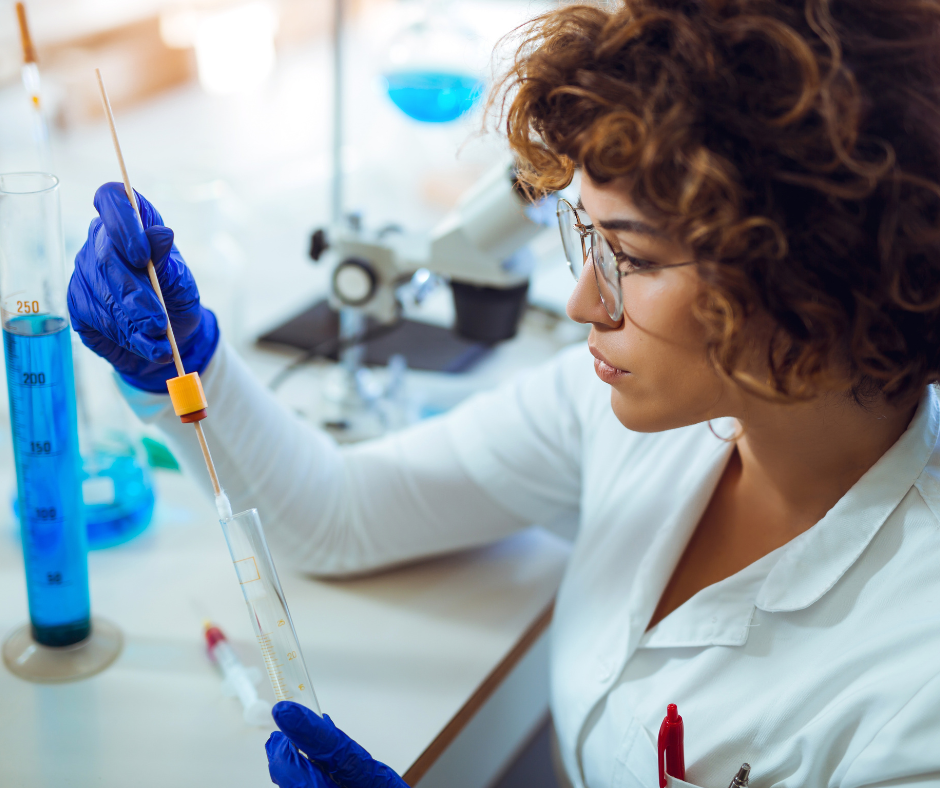
Healthcare is standing at a critical crossroads. On one side are life-changing biologic medicines that treat cancer, autoimmune disorders, diabetes, and rare diseases. On the other side is a harsh reality: soaring treatment costs that put these therapies out of reach for millions of patients. This is where biosimilars emerge not as alternatives of compromise, but as instruments of access, equity, and urgency.
Biosimilars are transforming modern medicine by delivering the same clinical outcomes as biologic drugs at a significantly lower cost. They are not a trend. They are a necessity.
What Are Biosimilars and Why Do They Matter Now
Biologic medicines are complex drugs derived from living organisms. They have revolutionized treatment outcomes, but their complexity makes them expensive to develop and manufacture. Biosimilars are highly similar versions of approved biologic medicines. They match the reference biologic in terms of safety, purity, and effectiveness.
This similarity is not assumed. It is proven through rigorous analytical testing, clinical studies, and regulatory scrutiny. Patients receive the same therapeutic benefit, and healthcare systems gain a critical cost advantage.
The urgency is clear. Chronic diseases are rising globally. Healthcare budgets are under pressure. Without biosimilars, access to biologic therapy will remain limited to a privileged few.
Same Clinical Outcomes, Proven Through Science
One of the most common questions patients and healthcare professionals ask is whether biosimilars truly work the same way as biologics. The answer is supported by extensive global evidence.
Regulatory authorities require biosimilars to demonstrate no clinically meaningful differences from the original biologic. This includes comparable efficacy, safety, immunogenicity, and quality. Multiple real-world studies across oncology, rheumatology, gastroenterology, and endocrinology confirm equivalent patient outcomes.
When a biosimilar enters the market, it is not a shortcut. It is the result of years of advanced scientific comparison and clinical validation.
The Cost Advantage That Changes Lives
The most powerful impact of biosimilars is economic, and that impact directly translates into human benefit. Biosimilars reduce treatment costs by 20 to 40 percent, sometimes more. These savings allow healthcare systems to treat more patients, start therapy earlier, and invest in innovation.
For patients, lower cost means fewer delays, fewer compromises, and better adherence to treatment plans. For hospitals and insurers, it means sustainability. For governments, it means resilience.
In a world where treatment affordability determines survival, biosimilars are not optional. They are essential.
Addressing Concerns and Building Trust
Despite strong evidence, hesitation still exists. This hesitation often comes from misinformation or lack of awareness rather than scientific fact. Biosimilars are approved under some of the most stringent regulatory pathways in the pharmaceutical industry.
Physicians maintain full control over prescribing decisions. Patients are closely monitored. Post-marketing surveillance ensures long-term safety and effectiveness. Trust is built through transparency, education, and data.
Choosing a biosimilar is not settling for less. It is choosing smart, evidence-based care.
Global Impact and the Future of Treatment Access
Biosimilars are reshaping healthcare access worldwide. In developing regions, they open doors to advanced therapies that were previously unreachable. In developed markets, they prevent healthcare systems from collapsing under financial strain.
As more biosimilars enter the market, competition will drive further innovation and affordability. This is not just about saving money. It is about saving time, saving lives, and saving healthcare itself.
The future of medicine depends on solutions that balance innovation with accessibility. Biosimilars are that balance.
A Call to Action for Patients, Providers, and Policymakers
Now is the moment to act. Patients must ask informed questions. Providers must rely on science, not perception. Policymakers must support adoption through clear guidelines and education.
Every delay in adopting biosimilars is a missed opportunity to expand access, reduce suffering, and strengthen healthcare systems. The evidence is clear. The need is urgent.
Biosimilars are not the future. They are the present solution to one of healthcare’s most pressing challenges.