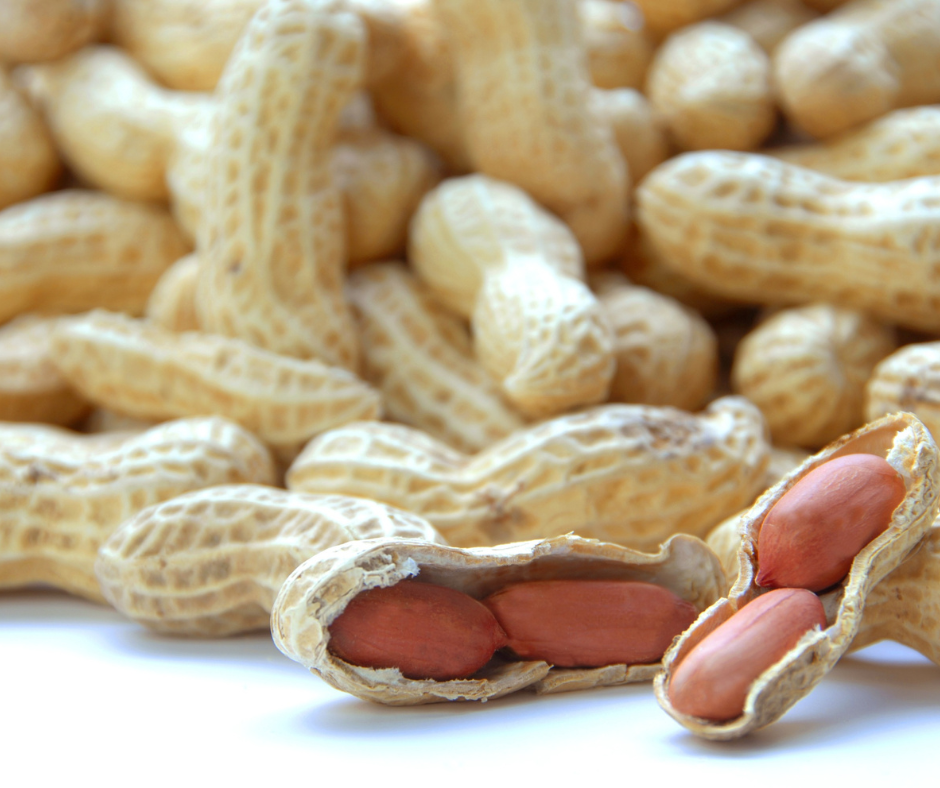
A quiet revolution is happening in nurseries and kitchens around the world. For years, parents were warned to keep peanuts far away from babies. Fear shaped feeding choices, and anxiety shaped mealtimes. Then the science shifted. Carefully guided advice to introduce peanut-containing foods early in life has changed the story for thousands of families, helping many children avoid developing peanut allergies altogether.
This is not just about food. It is about freedom. It is about children growing up without fear of accidental exposure, school restrictions, or emergency room visits. It is about parents finally breathing easier at birthday parties and family gatherings. It is about replacing worry with informed confidence.
The turning point: from avoidance to early introduction
As research grew, something powerful became clear. Early, safe introduction of peanut-containing foods during infancy, when appropriate and guided by a health professional, may reduce the risk of developing a peanut allergy for many children. Avoidance was not the answer many once believed it to be. Careful exposure, at the right time and in the right form, changed the trajectory for thousands.
The emotional weight parents carry
No parent wants to make the wrong decision for their child. Food allergies can be frightening. The idea of giving a baby peanut-containing food can feel overwhelming if you have heard stories of reactions. Yet parents everywhere are discovering that knowledge replaces fear. Understanding how and when to introduce potential allergens safely gives back a sense of control.
What thoughtful, safe introduction can look like
Feeding babies does not mean handing them whole peanuts. Whole nuts and thick spoonfuls can be choking hazards for infants and should be avoided. Instead, peanut-containing foods appropriate for infants may include smooth peanut butter thinned with water, breast milk, or formula, or peanut powder mixed into soft foods. For babies with severe eczema, existing food allergies, or any history of reactions, parents should talk with a pediatrician or allergy specialist first. Professional guidance matters.
This is not about rushing. It is about being intentional, prepared, and informed.
Why acting early matters
Childhood is full of windows of opportunity. Some of them never reopen. The infant immune system is learning how to respond to the world, including foods. Introducing peanut-containing foods during this critical window, when recommended by a health professional, may help the immune system learn tolerance instead of developing allergy.
That single step can change an entire lifetime. It can decide whether a child grows up navigating constant label reading and anxiety, or enjoying food without fear.
A call to parents, caregivers, and communities
Now is the moment to lean into evidence, compassion, and courage. If you are preparing to introduce solid foods to your baby, talk with your pediatrician about introducing peanut-containing foods early in a way that is safe for your child. Ask questions. Share concerns. Build a plan that feels guided, not guessed.
Schools, community leaders, and family members also play a role. Support parents navigating these choices. Encourage conversations rather than fear. When communities understand the power of early introduction done safely, more children benefit.
This is about futures, not just feeding
A world with fewer children living with peanut allergies is within reach. Every informed conversation, every supported parent, every carefully planned introduction contributes to that reality. The urgency is real because childhood does not wait. Decisions made in the first year of life can echo for decades.
Let this be the generation that turns fear into prevention, confusion into clarity, and hesitation into informed action.
Take the next step today. Speak with your child’s healthcare provider. Learn what approach is right for your family. Give your child the chance to grow with confidence, not constraint.