Your heart never takes a break.
From the moment you are born until your very last breath, it keeps a precise rhythm that fuels every thought, every step, every dream. We often focus on heart attacks, cholesterol, or blood pressure, but there is a quieter, more misunderstood threat that deserves urgent attention. It is called arrhythmia. And ignoring it can change a life in seconds.
This is not just a medical term. This is about timing, balance, and survival.
What is arrhythmia, really?
Arrhythmia means an abnormal heart rhythm.
Your heart may beat too fast, too slow, or irregularly. Sometimes it feels like a flutter. Sometimes it feels like your heart skipped a beat. And sometimes, there are no symptoms at all until something serious happens.
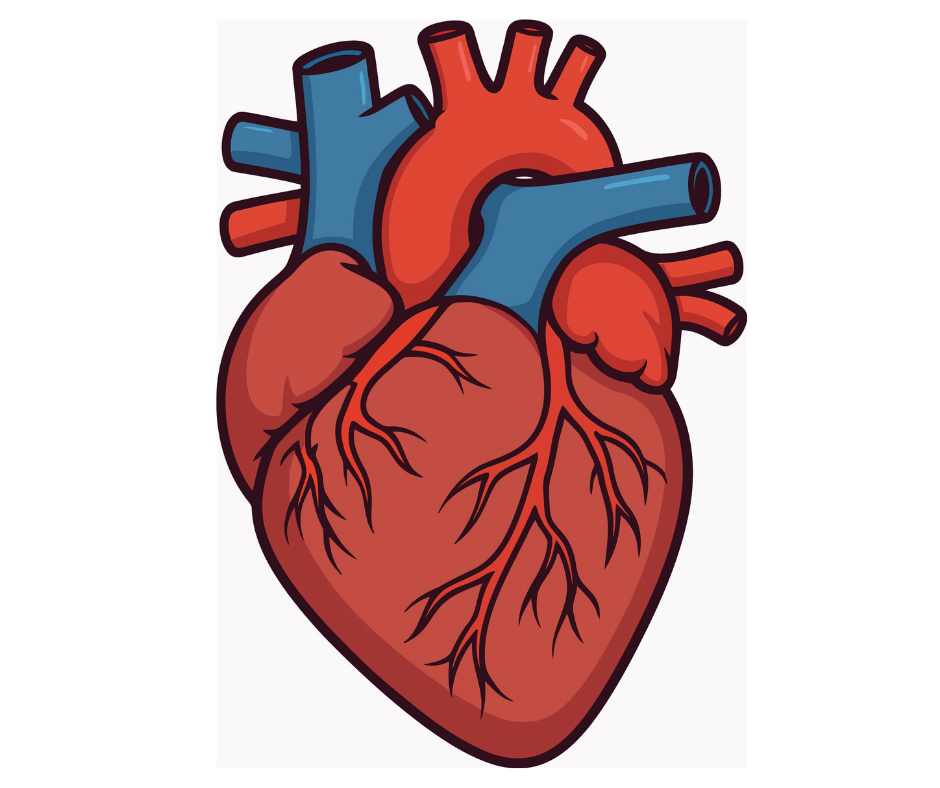
A healthy heart beats in a steady, coordinated pattern. Electrical signals travel through the heart in a precise pathway, telling each chamber when to contract and relax. Arrhythmia happens when these electrical signals go off track.
That disruption may seem small. But the consequences can be massive.
Why heart rhythm matters more than we think
Rhythm is not just about speed. It is about efficiency and life flow.
When the heart rhythm is disturbed, the heart cannot pump blood effectively. Oxygen delivery drops. Organs suffer. The brain reacts fast. The body sends warning signs that many people ignore.
This is why heart rhythm matters more than we think. A heart that beats out of rhythm can silently weaken the body, even if you feel fine on the surface.
Some arrhythmias are harmless. Others can be life-threatening within minutes.
The types of arrhythmia you should know about
Not all arrhythmias are the same. Understanding the difference can save lives.
Atrial fibrillation
This is the most common arrhythmia worldwide. The upper chambers of the heart beat irregularly, increasing the risk of stroke and heart failure. Many people live with it for years without knowing.
Bradycardia
This happens when the heart beats too slowly. In athletes, it can be normal. In others, it can lead to dizziness, fatigue, and fainting.
Tachycardia
This means the heart beats too fast. When the rhythm stays high for too long, the heart muscle weakens.
Ventricular arrhythmias
These start in the lower chambers and are the most dangerous. They can cause sudden cardiac arrest without warning.
Each type tells a different story. Each demands attention.
Symptoms we ignore until it is too late
Your body whispers before it screams.
Arrhythmia symptoms are often subtle, which is why they are dangerous.
You may feel palpitations, shortness of breath, chest discomfort, lightheadedness, unexplained fatigue, or sudden weakness. Some people faint. Some feel anxiety without knowing why.
And some feel nothing at all.
That is why awareness matters. Waiting for severe pain is a mistake. Arrhythmia does not always announce itself dramatically.
The emotional toll of an irregular heartbeat
Living with an uncertain heartbeat changes how people live.
Fear of sudden episodes. Fear of sleeping alone. Fear of exercising. Fear of missing the signs.
Arrhythmia is not only physical. It affects confidence, independence, and peace of mind. Many people reduce their activity level without realizing they are slowly giving up quality of life.
Knowledge replaces fear. Action restores control.
What causes arrhythmia?
Arrhythmia rarely comes from one single reason.
It can be linked to heart disease, high blood pressure, diabetes, stress, sleep apnea, electrolyte imbalance, smoking, alcohol, caffeine overuse, or genetic conditions.
Sometimes it appears after illness. Sometimes after emotional shock. Sometimes without a clear reason.
This unpredictability is exactly why regular checkups and listening to your body matter.
Diagnosis is easier than people think
You do not need to wait for a crisis.
Modern medicine offers simple tools like electrocardiograms, Holter monitors, and wearable heart trackers to detect rhythm problems early.
Early diagnosis changes outcomes. It turns emergencies into manageable conditions.
Ignoring symptoms does not make them disappear. It only delays solutions.
Treatment options that give hope
Arrhythmia is not a life sentence.
Treatment depends on the type and severity. It may include lifestyle changes, medications, medical procedures, or implantable devices.
Some people regain normal rhythm. Others learn to manage it safely. What matters is taking the first step.
The earlier the action, the wider the options.
Why urgency matters now, not later
Every irregular beat is a message.
Arrhythmia increases the risk of stroke, heart failure, and sudden cardiac arrest. These are not distant possibilities. They are present dangers when rhythm problems are ignored.
The urgency is not meant to scare you. It is meant to wake you up.
Heart rhythm is not a background detail. It is the foundation of life itself.
What you should do today
Pay attention to your heartbeat.
Notice changes. Take symptoms seriously. Reduce stress. Prioritize sleep. Avoid excess stimulants. Schedule heart checkups, especially if you have risk factors.
And most importantly, do not normalize discomfort just because you are busy or young or strong.
Arrhythmia does not care about age or excuses.
Final thought
Your heart keeps time for your entire life.
Protecting its rhythm means protecting your future, your independence, and the people who depend on you.
Understanding arrhythmia is not just medical awareness. It is an act of self-respect.
Do not wait for your heart to demand attention. Listen while it is still whispering.