Introduction: the hidden crisis inside the human body
Inside the human body, the digestive system performs countless silent tasks every single day. One of the most important yet overlooked organs in this process is the gallbladder. Small in size but powerful in function, the gallbladder stores bile, a digestive fluid produced by the liver that helps break down fats in the food we eat.
But sometimes this natural process takes a dangerous turn. Instead of remaining a smooth liquid, bile can crystallize and slowly form stones inside the gallbladder. These are known as gallstones. What begins as microscopic particles can grow into painful, potentially life-altering stones.
Millions of people around the world live with gallstones without realizing it. Many ignore early symptoms until severe pain, infection, or life-threatening complications appear. Understanding how bile forms stones in the gallbladder is not just medical knowledge. It is a warning sign that your body may already be asking for help.
This is not just about a disease. It is about awareness, prevention, and the urgency to protect your health before the situation becomes irreversible.
Understanding the gallbladder: the organ most people forget about
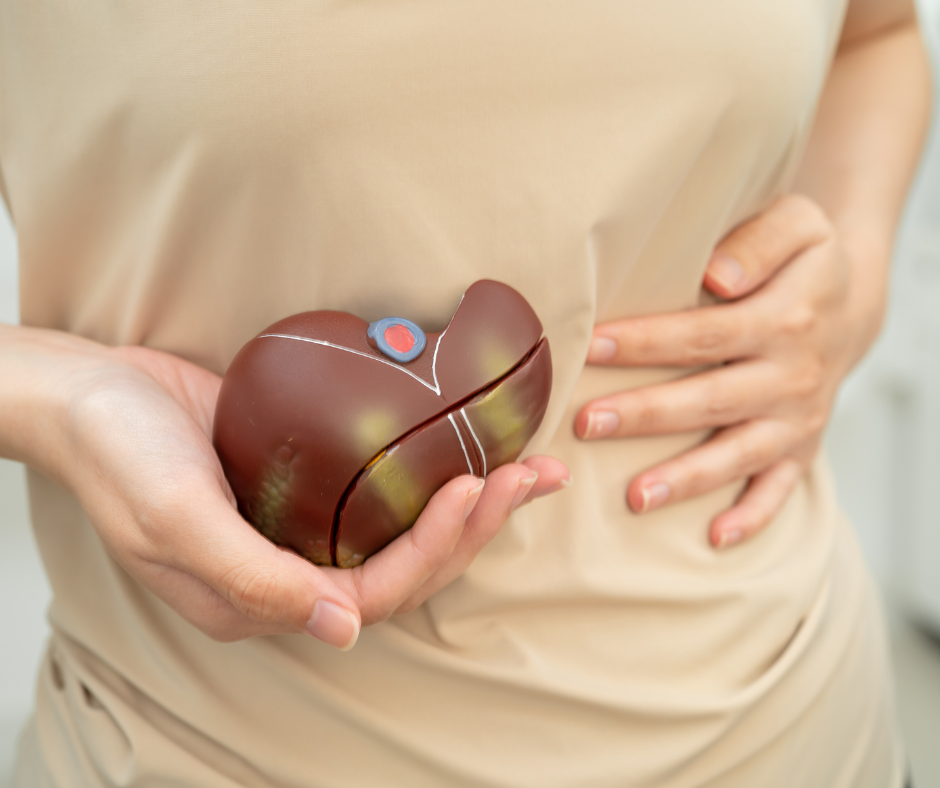
The gallbladder is a small pear-shaped organ located just beneath the liver on the right side of the abdomen. Its primary job is simple yet essential: store and concentrate bile.
Bile is produced by the liver continuously. However, the body does not always need it immediately. The gallbladder acts as a reservoir, storing bile and releasing it into the small intestine when fatty foods enter the digestive tract.
Bile itself contains several components including cholesterol, bile salts, bilirubin, water, and electrolytes. When this delicate balance of chemicals is disrupted, crystals may begin forming. Over time these crystals stick together and become gallstones.
This transformation is slow, silent, and often unnoticed until symptoms appear.
What exactly are gallstones
Gallstones are hardened deposits that form from bile within the gallbladder. They can vary in size from tiny grains of sand to large stones the size of a golf ball.
There are two main types of gallstones.
Cholesterol stones are the most common type. They form when bile contains too much cholesterol and not enough bile salts to dissolve it.
Pigment stones are made from bilirubin, a substance produced when red blood cells break down. These stones are more common in people with liver disease or certain blood disorders.
Some individuals develop a single large stone while others may have dozens or even hundreds of smaller stones inside the gallbladder.
The frightening truth is that gallstones may remain hidden for years before causing symptoms.
How bile turns into stones
Gallstone formation is a gradual process influenced by several biological changes inside the body.
One major cause is excess cholesterol in bile. When the liver releases more cholesterol than bile can dissolve, crystals start to form. These crystals accumulate and gradually grow into stones.
Another factor is improper gallbladder emptying. If the gallbladder does not empty completely or frequently enough, bile becomes overly concentrated. This thickened bile encourages stone formation.
Bilirubin imbalance also plays a role. Certain medical conditions cause the liver to produce too much bilirubin, which can combine with calcium and form pigment stones.
The result is a buildup of hardened material that blocks normal bile flow and creates pain and inflammation.
Warning signs that should never be ignored
Many people live with gallstones without symptoms, a condition known as silent gallstones. However, once the stones block bile ducts, symptoms can appear suddenly and intensely.
One of the most common signs is severe pain in the upper right abdomen. This pain can last from minutes to several hours and may spread to the back or right shoulder.
Other symptoms may include nausea and vomiting, indigestion after eating fatty meals, bloating, fever, yellowing of the skin or eyes known as jaundice, dark urine and pale stools.
These symptoms indicate that bile flow may be blocked or the gallbladder may be inflamed.
Ignoring these signals can lead to serious complications such as gallbladder infection, pancreatitis, or bile duct obstruction.
Your body speaks through symptoms. The danger begins when those warnings are ignored.
Who is most at risk
Gallstones do not affect everyone equally. Certain groups face a higher risk of developing them.
Women are more likely to develop gallstones than men, particularly due to hormonal changes that increase cholesterol levels in bile.
People over the age of forty also face increased risk because metabolism and bile composition change with age.
Obesity is another major factor. Excess body weight increases cholesterol secretion into bile, making stone formation more likely.
Rapid weight loss can also trigger gallstones because the liver releases extra cholesterol during fasting or crash dieting.
Genetics play a role as well. If gallstones run in your family, your risk may be significantly higher.
People with diabetes, liver disease, or blood disorders may also be more vulnerable.
Understanding risk factors is not about fear. It is about awareness and prevention.
The dangerous complications of untreated gallstones
Gallstones may seem harmless at first, but untreated cases can lead to severe health crises.
One possible complication is cholecystitis, which occurs when a gallstone blocks the gallbladder opening and causes inflammation. This condition often leads to intense pain, fever, and infection.
Another serious complication is pancreatitis. If a gallstone blocks the pancreatic duct, digestive enzymes can damage the pancreas, leading to life-threatening inflammation.
Bile duct infection, known as cholangitis, is another emergency condition caused by gallstone blockage.
In severe cases, gallbladder rupture or widespread infection may occur.
These complications require urgent medical treatment and sometimes emergency surgery.
This is why early diagnosis matters.
How gallstones are diagnosed
Modern medical technology allows doctors to detect gallstones quickly and accurately.
Ultrasound imaging is the most common diagnostic method. It uses sound waves to create images of the gallbladder and identify stones.
Blood tests may also be used to detect infection, inflammation, or bile duct obstruction.
Other diagnostic tools include CT scans, MRI imaging, and endoscopic procedures that examine the bile ducts.
The goal of diagnosis is not just to confirm the presence of stones but to evaluate their impact on the digestive system.
Early detection can prevent dangerous complications.
Treatment options and modern medical solutions
Treatment depends on the severity of symptoms and the size or number of gallstones.
In cases where gallstones cause no symptoms, doctors may recommend monitoring rather than immediate treatment.
However, when symptoms become frequent or severe, surgery is often the most effective solution.
Gallbladder removal surgery, known as cholecystectomy, is one of the most common surgical procedures worldwide. The operation can often be performed using minimally invasive laparoscopic techniques, allowing faster recovery and reduced complications.
Without the gallbladder, bile flows directly from the liver into the small intestine. Most people can live normal healthy lives after the procedure.
In some rare cases, medications may be used to dissolve cholesterol stones, but this process can take months or years and is not always effective.
Treatment decisions should always be guided by medical professionals.
Prevention: the choices you make today matter tomorrow
Preventing gallstones is often possible through simple lifestyle changes.
Maintaining a healthy weight is one of the most effective ways to reduce risk. Extreme dieting or rapid weight loss should be avoided because they can trigger gallstone formation.
A balanced diet rich in fiber, fruits, vegetables, and whole grains helps regulate cholesterol levels in bile.
Regular physical activity improves digestion and metabolic balance.
Limiting high-fat and highly processed foods can also protect gallbladder health.
Hydration, proper nutrition, and mindful eating habits support the entire digestive system.
Prevention is not complicated. It requires awareness and consistency.
Why awareness about gallstones matters more than ever
Gallstone disease affects millions of people worldwide, yet it remains widely misunderstood.
Many individuals dismiss early symptoms as simple indigestion. Others delay medical consultation due to fear or lack of information.
But silence inside the body does not mean safety.
Gallstones can transform from harmless crystals into painful obstructions that disrupt digestion, damage organs, and threaten overall health.
Education and awareness empower people to recognize symptoms early, seek medical care, and make healthier lifestyle choices.
Your body works tirelessly to protect you. Paying attention to its signals is the least we can do in return.
Conclusion: listen to the signals before it is too late
When bile forms stones in the gallbladder, the body is revealing a deeper imbalance within the digestive system. This condition is not merely a medical term buried in textbooks. It is a real and growing health challenge affecting millions of people around the world.
Pain, inflammation, and complications can arise suddenly, turning an unnoticed problem into a medical emergency.
But the story does not have to end in crisis.
With knowledge, early diagnosis, and healthier lifestyle choices, gallstones can often be prevented or treated effectively.
The most important step begins with awareness. Do not ignore persistent digestive discomfort, unexplained abdominal pain, or warning signs from your body.
Health is not something to take for granted. It is something to protect every single day.