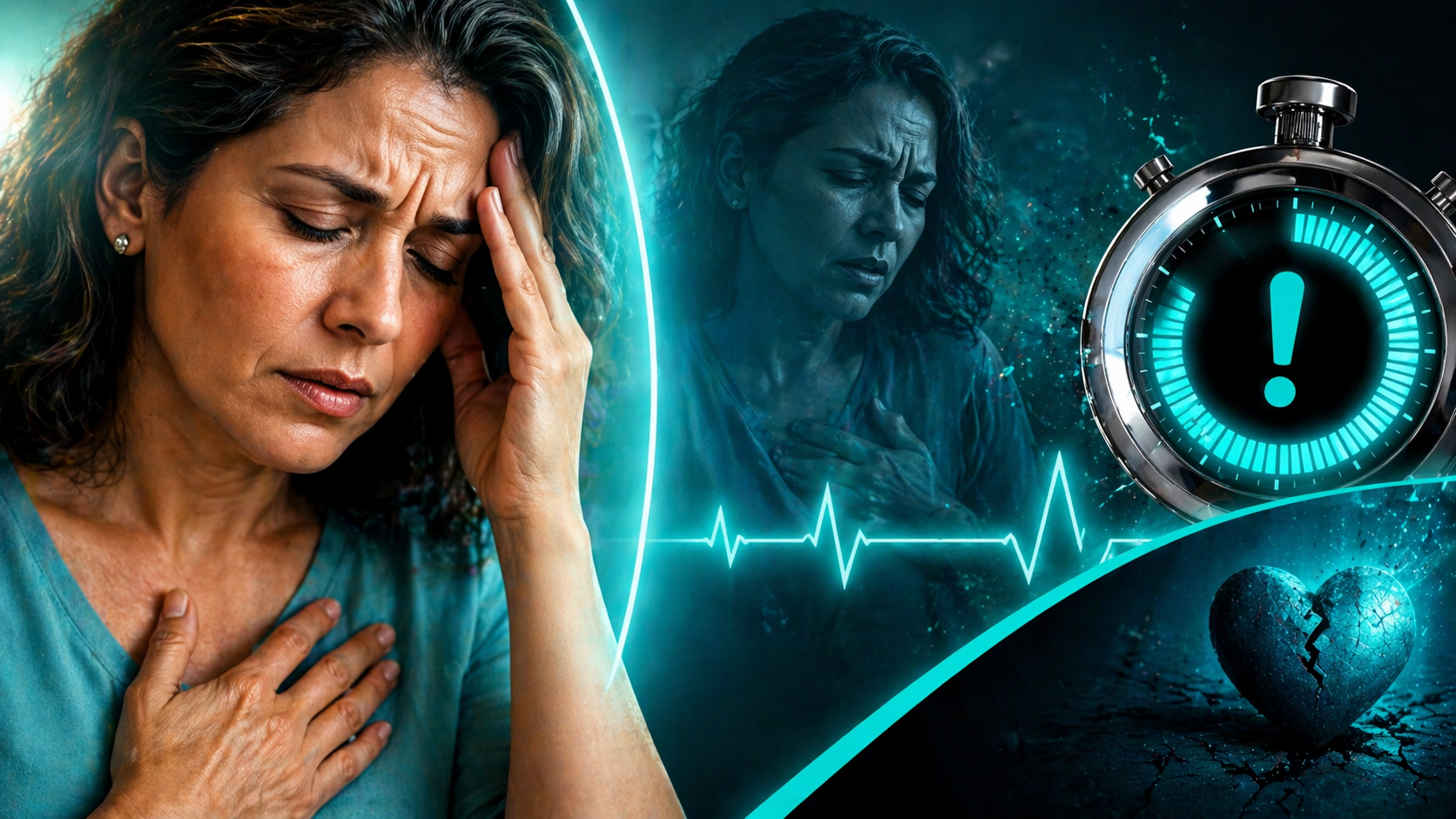
The Truth We’ve Ignored for Too Long
For decades, heart disease has been wrongly perceived as a “man’s problem.” That belief has cost lives. The reality is urgent, uncomfortable, and impossible to ignore: women are just as vulnerable to heart attacks as men—often more at risk because their symptoms are misunderstood, misdiagnosed, or completely dismissed.
This is not just a health topic. This is a wake-up call.
If you are a woman, love a woman, or simply care about saving lives, what you read next could change everything.
Why This Misconception Is Dangerous
The biggest threat isn’t just heart disease—it’s lack of awareness.
Women are:
- More likely to experience delayed diagnosis
- Less likely to receive aggressive treatment
- More likely to die within a year after a heart attack compared to men
Why? Because the warning signs don’t always look like what we expect.
The Symptoms No One Talks About
Forget the dramatic chest-clutching scenes you see in movies. For many women, a heart attack is quiet, confusing, and easy to ignore.
Common symptoms in women include:
- Unusual fatigue that feels overwhelming and persistent
- Shortness of breath without exertion
- Nausea or vomiting
- Pain in the jaw, neck, back, or shoulders
- Dizziness or lightheadedness
- A sense of anxiety or impending doom
Yes, chest pain can still occur—but it’s often less intense or feels like pressure rather than sharp pain.
This is why so many women dismiss it as stress, anxiety, or exhaustion.
The Emotional Trap: “I’ll Be Fine”
Women are conditioned to push through pain.
They prioritize:
- Family
- Work
- Responsibilities
Their health comes last.
That mindset becomes dangerous when symptoms appear. Many women delay seeking help, telling themselves:
- “It’s just stress”
- “I don’t want to overreact”
- “I’ll rest and feel better”
That delay can be fatal.
The Science Behind the Risk
Heart disease in women is often different at a biological level.
- Women tend to have smaller coronary arteries
- They are more prone to microvascular disease
- Hormonal changes, especially after menopause, increase risk significantly
Risk factors include:
- High blood pressure
- Diabetes
- Smoking
- Obesity
- Chronic stress
- Family history
But here’s what makes it worse: even “healthy” women can still be at risk.
Why Women Are Misdiagnosed
Medical systems were historically built around male symptoms.
As a result:
- Women’s symptoms are often labeled as anxiety or panic attacks
- Diagnostic tests may not detect certain types of heart disease in women
- Women are less likely to be referred for advanced cardiac testing
This is not just a medical issue. It is a systemic gap that needs urgent correction.
What You Must Do Right Now
This is where awareness turns into action.
1. Listen to your body
If something feels off, do not ignore it. Your intuition matters.
2. Take symptoms seriously
Even mild discomfort can signal something critical.
3. Seek immediate medical help
Time is the difference between survival and tragedy.
4. Know your numbers
Track your blood pressure, cholesterol, and blood sugar levels.
5. Prioritize heart health daily
- Eat balanced meals
- Exercise regularly
- Manage stress
- Get enough sleep
The Role of Prevention: Your Strongest Weapon
Prevention is not optional—it is essential.
Small changes can reduce risk dramatically:
- 30 minutes of daily physical activity
- A heart-healthy diet rich in fruits, vegetables, and whole grains
- Avoiding tobacco
- Managing mental health
Your lifestyle today shapes your survival tomorrow.
The Cost of Ignoring This
Every year, millions of women worldwide suffer heart attacks.
Many of them:
- Never saw it coming
- Misread the symptoms
- Waited too long
This is not just statistics. These are mothers, daughters, leaders, and dreamers.
This is preventable.
A Message Every Woman Needs to Hear
You are not “overreacting.”
You are not “too young.”
You are not “immune.”
Your heart matters.
And protecting it is not selfish—it is necessary.
Final Call to Action
Do not scroll past this.
Share it. Talk about it. Act on it.
Because the most dangerous heart attack is the one you never see coming.