Introduction: The Most Important Medical Decision May Be the One You Make Early
Many serious health conditions do not begin with dramatic symptoms. They develop quietly, sometimes over months or years, while the person continues working, managing family responsibilities, and living an apparently normal life. A persistent headache gets dismissed as stress. Unusual tiredness is blamed on a busy schedule. Changes in appetite, unexplained weight loss, or recurring discomfort are treated as temporary inconveniences.
The danger is not always the absence of medical treatment. Sometimes, it is the delay in recognising that something needs attention.
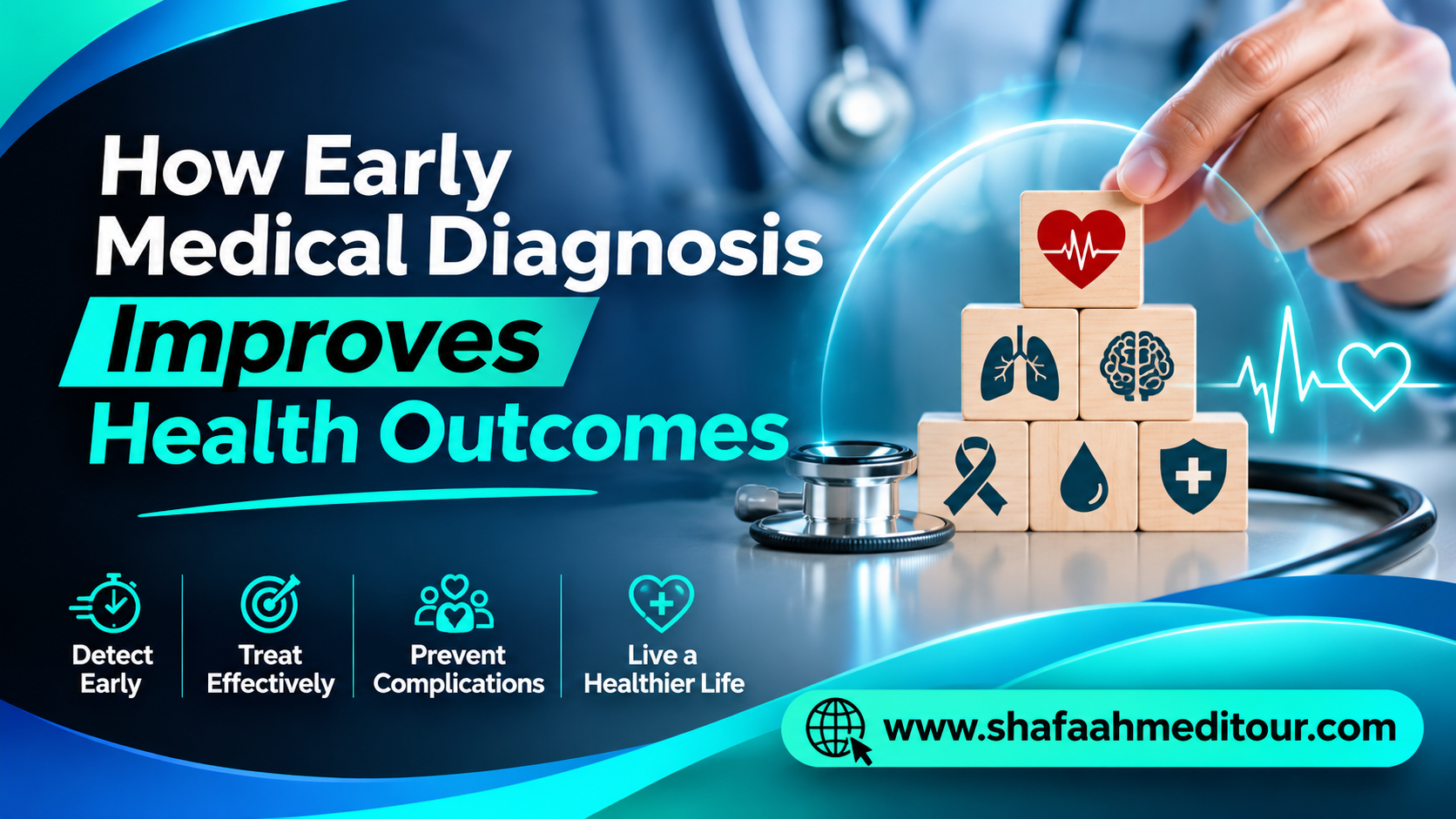
Early medical diagnosis can fundamentally change how a disease progresses, how effectively it can be treated, and how much it affects a person’s quality of life. Identifying a health condition before it becomes advanced gives healthcare professionals a valuable opportunity to investigate the cause, recommend appropriate treatment, monitor progression, and reduce the risk of complications.
From cardiovascular diseases and diabetes to cancer and chronic respiratory conditions, timely diagnosis plays an important role in improving health outcomes. It can help patients access less invasive treatments, avoid preventable complications, and make informed decisions about their healthcare.
Healthcare should not begin only when something becomes unbearable. It should involve recognising potential health problems early enough to do something meaningful about them.
What Is Early Medical Diagnosis?
Early medical diagnosis refers to identifying a disease, medical condition, or potential health abnormality at an early stage, ideally before significant symptoms develop or complications occur.
It involves a combination of medical consultations, physical examinations, laboratory investigations, imaging procedures, screening programmes, and assessment of personal and family medical history.
The objective is straightforward: identify a health concern as early as reasonably possible so that appropriate medical action can begin.
For example, someone with elevated blood glucose levels may not experience obvious symptoms. However, routine blood testing can identify prediabetes or diabetes, allowing healthcare professionals to recommend lifestyle modifications, monitoring, and treatment where appropriate.
Similarly, certain cancers can be detected through recommended screening programmes before symptoms appear. When identified early, some cancers have more treatment options and better prognoses.
Early diagnosis does not guarantee recovery, and not every condition can be prevented through screening. However, it can significantly improve the opportunity for effective treatment and informed medical decision-making.
1. Early Diagnosis Increases the Chances of Successful Treatment
One of the most important benefits of early disease detection is that treatment can begin before a condition becomes more complicated.
Many diseases become harder to manage as they progress. A condition that initially requires medication, lifestyle changes, or routine monitoring may eventually require more intensive treatment if left unidentified.
Consider cancer. The stage at which cancer is diagnosed can influence treatment options, prognosis, and survival. Some cancers detected at an early stage may be treated successfully through surgery or other targeted approaches, while advanced disease may require a combination of treatments.
The same principle applies to cardiovascular conditions. Identifying high blood pressure early allows patients and healthcare professionals to address risk factors before serious complications, including stroke, heart attack, or kidney damage, develop.
The earlier an underlying problem is understood, the sooner an appropriate treatment plan can be considered.
2. Prevents Serious Health Complications
An undiagnosed medical condition can gradually affect different organs and systems in the body. What begins as a manageable health issue may eventually lead to complications that are more difficult and expensive to treat.
Diabetes provides a clear example. Persistently elevated blood glucose levels can damage blood vessels and nerves over time. Without appropriate diagnosis and management, complications may affect the kidneys, eyes, heart, and nervous system.
Early identification gives patients an opportunity to manage blood glucose, monitor their health, and reduce the likelihood of long-term damage.
High blood pressure is another condition that deserves attention. Many people experience no noticeable symptoms, even when their blood pressure is dangerously elevated. Regular monitoring can identify the problem before it contributes to serious cardiovascular complications.
Early diagnosis is therefore not simply about identifying a disease. It is about reducing the possibility that the disease will create additional health problems.
3. Makes Treatment More Effective and Less Complicated
Medical treatment often becomes more complex when a disease advances.
Depending on the condition, early intervention may allow healthcare professionals to use less intensive treatment approaches, avoid certain procedures, or prevent hospitalisation.
For example, identifying an infection early can allow appropriate treatment before it spreads or causes severe illness. Detecting joint problems before substantial damage develops may also provide more opportunities for effective management.
In cancer care, early detection may make curative treatment possible in situations where advanced disease requires more complex approaches.
This does not mean early treatment is always simple or that every early-stage condition requires immediate medication. Some conditions need monitoring rather than intervention. The appropriate decision depends on the diagnosis, individual circumstances, and medical evidence.
What matters is having enough information to make the right decision at the right time.
4. Improves Long-Term Quality of Life
Health outcomes should not be measured only by survival rates. They should also include how well people can live, work, move, communicate, and participate in everyday activities.
A medical condition that remains undiagnosed may gradually interfere with ordinary life. Persistent pain, fatigue, breathing difficulties, hormonal changes, and other unexplained symptoms can affect physical performance and emotional well-being.
Early diagnosis helps patients understand what is happening and access appropriate support.
Someone diagnosed with a chronic respiratory condition, for example, may benefit from medication, monitoring, and practical measures to manage symptoms. Someone with an early-stage musculoskeletal condition may benefit from physiotherapy, activity adjustments, and other recommended interventions.
When healthcare professionals identify problems earlier, patients have more opportunities to protect their independence and maintain their daily routines.
5. Reduces Healthcare Costs Over Time
Medical expenses can become substantial when diseases progress without appropriate management.
Advanced illnesses may require hospital admissions, specialist consultations, surgery, prolonged medication, rehabilitation, or long-term care. These expenses can place considerable pressure on individuals and families.
Early diagnosis can sometimes reduce these costs by identifying conditions before expensive complications develop.
For instance, identifying high blood pressure through routine screening may allow a patient to begin appropriate management before experiencing a stroke or heart attack.
Similarly, identifying diabetes early can support better long-term management and reduce the risk of costly complications.
However, screening and diagnostic investigations also have costs, and not every test is beneficial for every person. The best approach is to follow evidence-based screening recommendations and discuss individual risk factors with qualified healthcare professionals.
The broader principle remains important: investing in appropriate preventive healthcare can help avoid some of the financial and personal consequences of advanced disease.
6. Early Diagnosis Supports Better Management of Chronic Diseases
Chronic diseases often require ongoing attention rather than a single course of treatment.
Conditions such as diabetes, hypertension, asthma, chronic kidney disease, and cardiovascular disease can affect people for years. Although many cannot be completely cured, early identification and consistent management can help patients maintain better health.
A person diagnosed with hypertension, for example, can monitor blood pressure, review dietary habits, increase suitable physical activity, and take prescribed medication when necessary.
Someone with early-stage chronic kidney disease may benefit from monitoring kidney function, controlling blood pressure, managing diabetes, and avoiding medications that could worsen kidney damage.
The earlier these conditions are recognised, the greater the opportunity to establish a management plan before substantial organ damage occurs.
Regular follow-up appointments are equally important. A diagnosis should mark the beginning of informed healthcare, not the end of the process.
7. Protects Families Through Awareness of Health Risks
A person’s health history can sometimes reveal risks that deserve attention among close family members.
Certain conditions have genetic or familial components. These include some cancers, cardiovascular disorders, inherited metabolic conditions, and other medical diseases.
When a patient receives a diagnosis, healthcare professionals may recommend that relatives discuss their own risk factors and consider appropriate screening or genetic counselling.
For example, a strong family history of certain cancers may influence when screening should begin or whether additional investigations are appropriate.
This does not mean family members will necessarily develop the same condition. It means that understanding family medical history can help identify people who may benefit from more informed preventive healthcare.
Early diagnosis can therefore create benefits beyond the individual patient by encouraging greater awareness and appropriate medical assessment within families.
8. Supports Mental and Emotional Well-Being
Living with unexplained symptoms can be emotionally exhausting.
A person experiencing persistent discomfort without understanding its cause may become anxious, frustrated, or worried about the possibility of a serious illness. Uncertainty can affect sleep, concentration, relationships, and everyday confidence.
A proper medical assessment can help replace uncertainty with information.
Even when a diagnosis confirms a chronic or serious condition, understanding the problem allows patients to discuss treatment options, access support, and make practical plans.
It is important to recognise that a diagnosis can sometimes create emotional distress, particularly when the condition is serious. Patients may need counselling, family support, or professional psychological care alongside medical treatment.
Good healthcare considers both physical and emotional needs.
9. Medical Screening Helps Identify Problems Before Symptoms Appear
Waiting for symptoms is not always the safest approach.
Some diseases develop silently, making regular health assessments particularly important for people with specific risk factors.
Depending on age, medical history, sex, family history, and individual risk, healthcare professionals may recommend:
-
Blood pressure measurements to identify hypertension.
-
Blood glucose or HbA1c testing to assess diabetes risk.
-
Cholesterol testing to evaluate cardiovascular risk.
-
Cervical cancer screening where recommended.
-
Breast cancer screening based on age and individual risk.
-
Colorectal cancer screening according to recommended guidelines.
-
Kidney function testing for people at increased risk.
-
Other investigations based on symptoms or medical history.
Not everyone requires every screening test. Screening should be appropriate to the individual because unnecessary testing can produce false-positive results, unnecessary procedures, and anxiety.
The goal is not to undergo as many tests as possible. It is to undergo the right assessments at the right time.
10. Technology Is Making Early Disease Detection More Accessible
Advances in medical technology have improved the ability of healthcare professionals to investigate health concerns.
Modern diagnostic tools include advanced imaging, laboratory testing, digital monitoring systems, and specialised screening technologies.
Blood investigations can help identify metabolic abnormalities, infections, organ dysfunction, and other health concerns. Imaging procedures such as ultrasound, CT scans, and MRI can help clinicians investigate internal structures and detect abnormalities when clinically appropriate.
Digital health monitoring has also made it easier for some patients to track measurements such as blood pressure, heart rate, and blood glucose.
Artificial intelligence is increasingly being explored in areas such as medical imaging analysis, clinical decision support, and risk assessment. These technologies may help clinicians identify patterns that deserve further investigation.
However, technology does not replace medical expertise. Diagnostic results must be interpreted within the patient’s overall clinical context, and AI-supported findings require appropriate professional oversight.
The real value of medical technology lies in helping healthcare professionals make more informed decisions.
Common Warning Signs You Should Never Ignore
Not every symptom indicates a serious disease. However, persistent, unexplained, recurring, or worsening symptoms deserve medical attention.
Some warning signs include:
Unexplained weight loss: Losing weight without changing eating habits or physical activity may require medical investigation.
Persistent fatigue: Ongoing exhaustion that does not improve with adequate rest can sometimes indicate an underlying medical condition.
Unusual lumps or swelling: New or changing lumps should be assessed by a healthcare professional.
Changes in bowel or bladder habits: Persistent changes may indicate digestive, urinary, or other health concerns.
Recurring headaches: Frequent, worsening, or unusual headaches deserve proper evaluation.
Chest discomfort or breathing difficulties: These symptoms can indicate serious cardiovascular or respiratory problems.
Unusual bleeding: Unexpected bleeding should never be dismissed without appropriate medical assessment.
Seek emergency medical attention for symptoms such as severe chest pain, sudden difficulty breathing, sudden weakness on one side of the body, or sudden difficulty speaking.
Recognising warning signs does not mean assuming the worst. It means understanding when professional medical assessment is necessary.
How to Make Early Diagnosis Part of Your Healthcare Routine
Taking responsibility for your health does not require complicated routines. It begins with consistent, informed decisions.
Schedule regular health assessments. Discuss suitable check-ups with your healthcare provider based on your age, medical history, and risk factors.
Know your family medical history. Share relevant information about inherited conditions and serious illnesses among close relatives.
Do not ignore persistent symptoms. If something changes or continues without explanation, arrange a medical consultation rather than relying on self-diagnosis.
Follow recommended screening guidelines. Ask your healthcare professional which tests are appropriate for your circumstances.
Keep records of medical investigations. Previous test results can help clinicians identify changes and monitor your health over time.
Follow up on abnormal results. An abnormal result does not automatically mean you have a serious disease, but it should be reviewed and investigated appropriately.
Maintain healthy daily habits. Balanced nutrition, physical activity, sufficient sleep, avoiding tobacco, and limiting alcohol can support overall health and reduce the risk of several chronic diseases.
Most importantly, develop a relationship with a qualified healthcare provider who understands your medical history and can guide your preventive care.
Conclusion: Early Diagnosis Is an Opportunity to Change the Future of Your Health
The difference between early medical diagnosis and delayed detection can be significant. It can influence treatment choices, reduce the risk of complications, improve long-term disease management, and help people preserve their quality of life.
A health problem does not always announce itself with obvious symptoms. Some conditions progress quietly, making routine assessments and appropriate screening valuable parts of preventive healthcare.
The decision to seek medical attention should not depend entirely on how much discomfort someone experiences. Persistent symptoms, known risk factors, and recommended screening schedules all deserve attention.
Healthcare is most effective when patients and medical professionals work together, using timely investigations, accurate diagnoses, and appropriate treatment plans.
Do not wait until a manageable health concern becomes a medical emergency. Early detection creates opportunities. Timely treatment makes those opportunities count.
Your health deserves attention before something goes wrong.