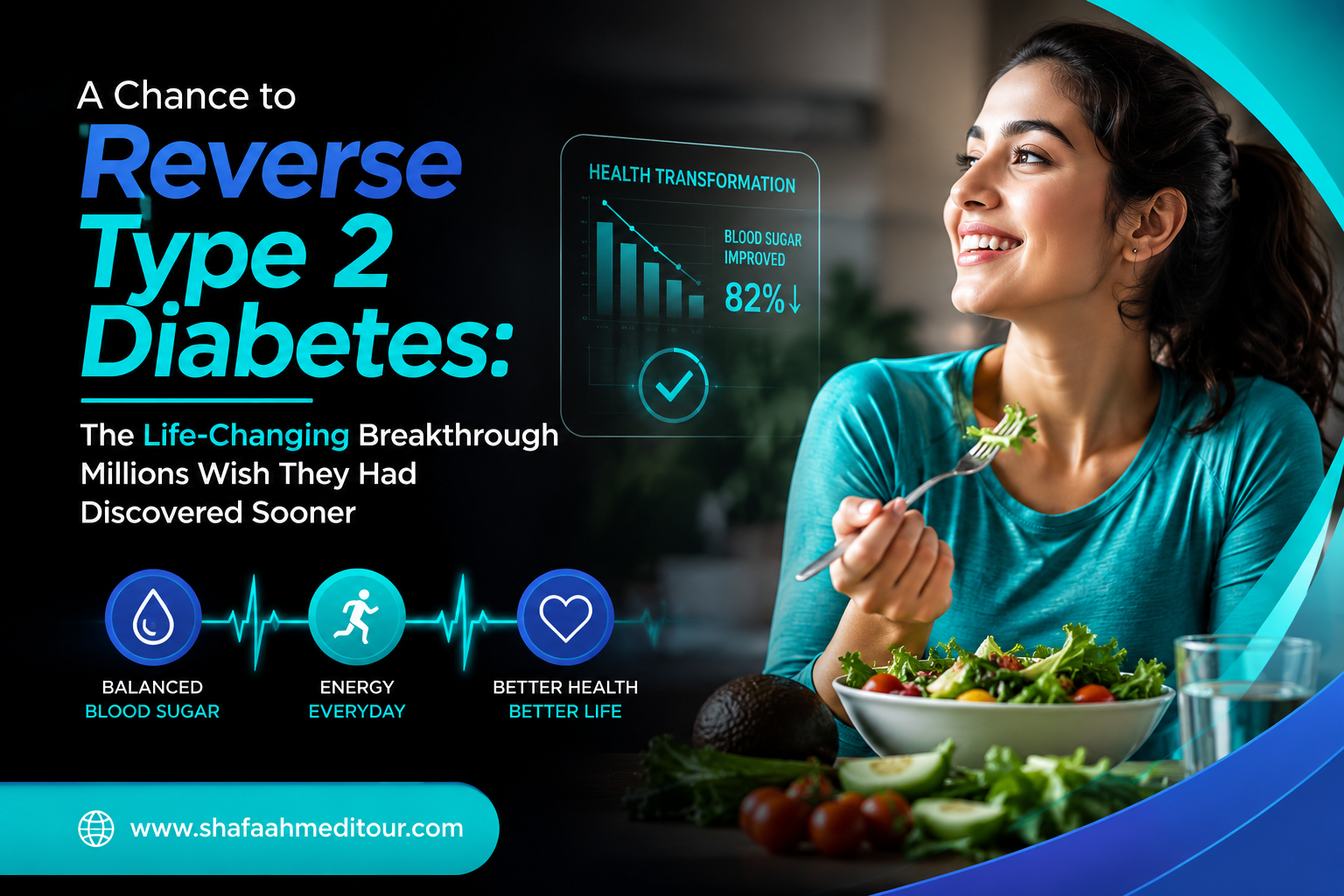
What If Type 2 Diabetes Didn’t Have to Control the Rest of Your Life?
For millions of people around the world, a diagnosis of Type 2 diabetes feels like a life sentence. The daily blood sugar checks, medication schedules, dietary restrictions, fears of complications, and constant medical appointments can create a sense of frustration and hopelessness. Many individuals believe that once they develop Type 2 diabetes, there is no turning back.
But what if there was another possibility?
What if the condition that affects hundreds of millions of people globally could be improved dramatically—or even reversed in some cases—through scientifically supported lifestyle changes?
The truth is that many healthcare professionals and researchers now recognize that Type 2 diabetes reversal is possible for some individuals. While it may not happen overnight and does not apply equally to everyone, the growing body of evidence offers something many people have not felt in years: hope.
This article explores how Type 2 diabetes develops, what diabetes reversal means, the strategies that have helped thousands regain control of their health, and why taking action today could transform your future.
The Growing Global Diabetes Crisis
Type 2 diabetes has become one of the fastest-growing health concerns worldwide. Sedentary lifestyles, processed foods, obesity, chronic stress, and poor dietary habits have contributed significantly to the rise in cases.
The consequences can be devastating when diabetes remains uncontrolled:
- Heart disease
- Stroke
- Kidney damage
- Vision loss
- Nerve damage
- Reduced quality of life
- Increased healthcare costs
Many people spend years treating symptoms without addressing the underlying causes that contribute to insulin resistance.
This is where the conversation about reversal becomes incredibly important.
Understanding Type 2 Diabetes
Type 2 diabetes occurs when the body’s cells become resistant to insulin, a hormone responsible for helping glucose enter cells for energy.
Initially, the pancreas produces more insulin to compensate. Over time, however, the body struggles to keep up, leading to elevated blood sugar levels.
Common symptoms include:
- Increased thirst
- Frequent urination
- Fatigue
- Blurred vision
- Slow wound healing
- Frequent infections
- Unexplained weight changes
Although medication can help manage blood sugar levels, many experts now emphasize addressing the root causes of insulin resistance.
What Does Diabetes Reversal Actually Mean?
One of the most misunderstood concepts is diabetes reversal.
Reversal does not necessarily mean a permanent cure.
Instead, it typically means maintaining healthy blood sugar levels without the need for diabetes medications while continuing healthy lifestyle habits.
Many individuals achieve normal or near-normal blood sugar levels through substantial weight loss, improved nutrition, regular exercise, and ongoing lifestyle management.
The key message is simple:
Type 2 diabetes may not always be a one-way journey.
The Science Behind Reversal
Researchers have discovered that excess fat accumulation around the liver and pancreas can significantly affect insulin function.
When individuals lose weight—especially visceral fat surrounding internal organs—the body’s ability to regulate blood sugar often improves dramatically.
Several studies have demonstrated that significant weight loss can restore insulin sensitivity and improve pancreatic function.
This means the body can once again manage glucose more effectively.
For many people, this discovery changes everything.
Rather than focusing solely on symptom management, attention shifts toward metabolic recovery.
Why Early Action Matters
The earlier someone takes action after diagnosis, the higher the likelihood of achieving meaningful improvements.
Years of uncontrolled diabetes can lead to progressive damage to insulin-producing cells.
However, many people who have lived with diabetes for years still experience significant improvements when adopting healthier habits.
Every positive change matters.
Every healthy meal matters.
Every walk matters.
Every pound lost matters.
Waiting only allows the condition more time to progress.
The Power of Weight Loss
Weight loss remains one of the most effective tools in Type 2 diabetes management and reversal efforts.
Even modest reductions in body weight can improve:
- Blood sugar levels
- Blood pressure
- Cholesterol levels
- Insulin sensitivity
- Energy levels
Some individuals experience remarkable improvements after losing 10% to 15% of their body weight.
Others achieve even greater benefits with larger weight reductions.
The goal isn’t perfection.
The goal is progress.
Nutrition: The Foundation of Better Blood Sugar Control
Food plays a critical role in managing diabetes.
Many modern diets are loaded with refined carbohydrates, added sugars, and ultra-processed foods that contribute to blood sugar spikes.
A diabetes-friendly eating approach often includes:
Whole Foods
Focus on minimally processed foods such as:
- Vegetables
- Fruits
- Lean proteins
- Healthy fats
- Legumes
- Whole grains
Reducing Added Sugar
Lower sugar intake helps stabilize blood glucose and reduce insulin demand.
Prioritizing Protein
Protein supports satiety and can help prevent blood sugar fluctuations.
Healthy Fats
Foods rich in healthy fats may improve metabolic health and increase feelings of fullness.
Examples include:
- Avocados
- Nuts
- Seeds
- Olive oil
- Fatty fish
Exercise: A Natural Blood Sugar Regulator
Physical activity helps muscles use glucose more efficiently.
Exercise can:
- Lower blood sugar levels
- Improve insulin sensitivity
- Promote weight loss
- Enhance cardiovascular health
- Reduce stress
Effective activities include:
- Walking
- Cycling
- Swimming
- Strength training
- Yoga
- Hiking
The best exercise is often the one you can consistently maintain.
Even a daily 30-minute walk can create meaningful improvements over time.
The Hidden Role of Sleep
Many people overlook the connection between sleep and diabetes.
Poor sleep can increase insulin resistance, elevate stress hormones, and make healthy eating more difficult.
Improving sleep quality may support:
- Better blood sugar control
- Weight management
- Reduced cravings
- Improved energy levels
Healthy sleep habits are an essential part of any diabetes improvement plan.
Managing Stress for Better Health
Chronic stress can significantly impact blood sugar levels.
When stress hormones remain elevated, glucose regulation often becomes more difficult.
Stress management techniques may include:
- Meditation
- Deep breathing
- Mindfulness
- Physical activity
- Spending time outdoors
- Connecting with loved ones
Small stress-reduction practices performed consistently can have powerful long-term effects.
Can Everyone Reverse Type 2 Diabetes?
The honest answer is no.
Every individual is different.
Factors that influence outcomes include:
- Age
- Duration of diabetes
- Genetics
- Overall health
- Lifestyle habits
- Commitment to change
However, nearly everyone can improve their blood sugar control and reduce their risk of complications through healthier choices.
Whether complete reversal is achieved or not, better health remains a valuable and realistic goal.
Real Success Begins With One Decision
Many people wait for the perfect time to start.
The perfect diet.
The perfect workout plan.
The perfect motivation.
But transformation rarely begins with perfection.
It begins with a decision.
A decision to walk today.
A decision to choose healthier meals.
A decision to prioritize sleep.
A decision to believe improvement is possible.
Those small decisions eventually become life-changing habits.
The Future Is Not Written Yet
A Type 2 diabetes diagnosis does not automatically determine your future.
Medical science continues to reveal the incredible ability of the human body to heal, adapt, and recover when given the right support.
For many people, Type 2 diabetes reversal is no longer just a hopeful idea—it has become a documented reality.
The journey may require commitment, patience, and guidance from healthcare professionals, but the rewards can be extraordinary.
Better energy.
Better health.
Greater freedom.
More years with the people who matter most.
The opportunity to change your future may be closer than you think.
The question is not whether change is possible.
The question is whether today will be the day you begin.