For generations, the role of fathers was often defined by one responsibility: providing financial support for the family. While this responsibility remains important, modern fatherhood has evolved into something much greater. Today’s fathers are expected to nurture, comfort, educate, protect, and actively participate in raising their children. One of the most powerful ways to support this transformation is through paternal leave. It is no longer a workplace benefit reserved for a select few. It has become an essential part of creating healthier families, happier children, stronger marriages, and more productive workplaces.
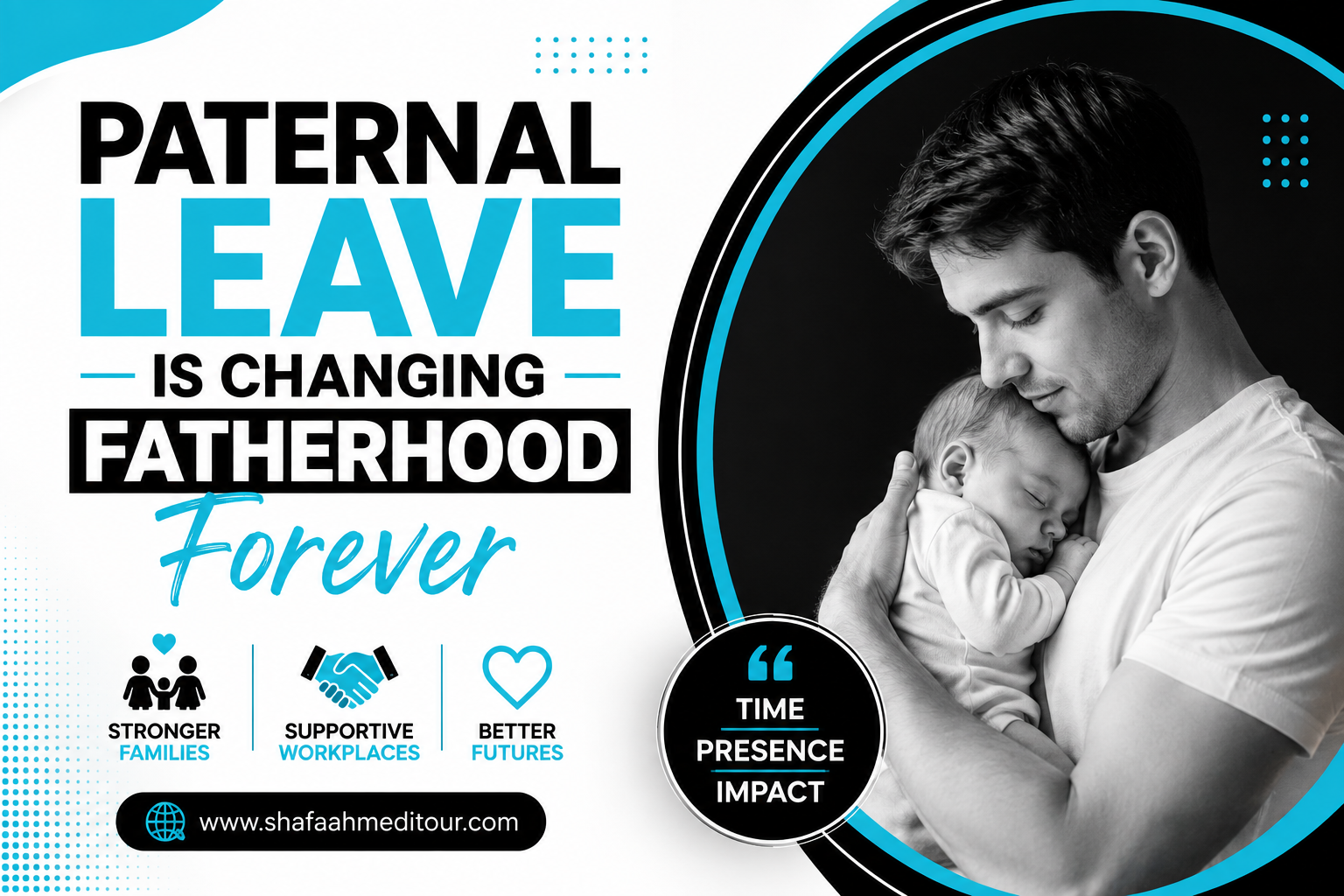
Paternal leave allows fathers to spend valuable time with their newborn or newly adopted child during one of life’s most important transitions. Those first days and weeks create emotional connections that can influence relationships for decades. Fathers who are present during this period experience deeper emotional attachment, increased confidence in parenting, and reduced stress about balancing work and family responsibilities. Instead of feeling like observers in their child’s early life, they become active participants from the very beginning.
Many fathers struggle silently with emotional challenges after the birth of a child. The excitement of welcoming a newborn is often accompanied by anxiety, exhaustion, financial concerns, and overwhelming responsibility. Society frequently overlooks the emotional health of fathers, assuming they should simply continue working without interruption. However, research consistently demonstrates that paternal leave significantly improves fathers’ mental well-being by reducing stress, strengthening emotional resilience, and lowering the risk of depression. When fathers are mentally healthier, they become better partners, better parents, and better professionals.
The benefits extend far beyond the father himself. Children thrive when both parents are actively involved in their development. Babies who receive consistent care from both parents often develop stronger emotional security, improved communication skills, and healthier cognitive growth. Fathers who spend quality time with their infants learn to recognize their needs, understand their behaviors, and develop parenting confidence that continues throughout childhood. These early experiences create lasting bonds that influence educational achievement, emotional intelligence, and social development for years to come.
Mothers also experience tremendous advantages when paternal leave is available. Recovering from childbirth requires physical healing, emotional adjustment, and significant energy. Having a supportive partner at home eases this transition considerably. Fathers who participate in childcare, household responsibilities, and emotional support reduce the burden placed on mothers, allowing them to recover more effectively. This shared responsibility strengthens relationships, improves communication between partners, and reduces conflict during one of the most demanding periods of family life.
Healthy relationships rarely happen by accident. They require teamwork, understanding, patience, and shared experiences. Paternal leave provides an opportunity for couples to learn parenting together rather than separately. Instead of one parent becoming the primary caregiver while the other remains focused on work, both develop parenting skills simultaneously. This creates stronger partnerships based on cooperation rather than unequal responsibility. Families that begin parenting as a team often continue sharing responsibilities throughout their children’s lives.
Businesses also gain significant advantages when they encourage fathers to take parental leave. Organizations that prioritize employee well-being build stronger workplace cultures, increase employee loyalty, reduce staff turnover, and improve productivity. Employees who feel supported during important life events return to work more motivated, engaged, and committed to their employers. Companies investing in family-friendly policies demonstrate leadership that attracts talented professionals seeking workplaces that value both career success and personal well-being.
Contrary to common misconceptions, paternal leave does not weaken businesses or reduce productivity in the long term. Instead, it strengthens organizational performance by reducing burnout, improving employee satisfaction, and enhancing retention. Recruiting and training new employees often costs significantly more than supporting existing staff through temporary leave. Forward-thinking organizations recognize that investing in people creates sustainable business success.
Countries that have embraced comprehensive paternal leave policies frequently experience broader social benefits. Greater gender equality emerges as caregiving responsibilities become more balanced. Women’s career opportunities improve when childcare responsibilities are shared more equally. Children’s health outcomes improve through increased parental involvement. Communities become stronger as families experience greater stability and emotional well-being. These long-term societal benefits demonstrate that paternal leave is not simply a family issue but an economic and social investment.
Despite growing awareness, many fathers still hesitate to take available leave. Some fear career consequences, workplace judgment, or financial challenges. Others believe their absence from work may be viewed negatively by employers or colleagues. These outdated attitudes prevent many families from experiencing the life-changing benefits of early parental involvement. Employers, governments, and communities must continue challenging these misconceptions by recognizing that responsible fatherhood deserves encouragement rather than hesitation.
Modern leadership is no longer measured solely by profits or productivity. It is also measured by how organizations care for their people. Businesses that empower fathers to participate fully in family life build stronger reputations, attract exceptional talent, and create healthier workplace environments. Supporting fathers is not an expense. It is a strategic investment in human potential.
Technology has transformed how people work, making flexible schedules, remote work, and family-friendly policies more achievable than ever before. Employers now have greater opportunities to create environments where career growth and family responsibilities coexist successfully. Encouraging fathers to take parental leave reflects an organization’s commitment to long-term employee success rather than short-term productivity alone.
Every child deserves the opportunity to build meaningful relationships with both parents from the earliest stages of life. Every mother deserves meaningful support during recovery and adjustment. Every father deserves the opportunity to experience parenthood without sacrificing emotional well-being or fearing professional consequences. Paternal leave creates this opportunity while strengthening families, workplaces, and society as a whole.
The conversation surrounding fatherhood is changing rapidly across the world. Families are redefining traditional roles, employers are modernizing workplace policies, and governments are recognizing the importance of supporting both parents equally. This shift represents one of the most meaningful investments society can make in future generations.
The question is no longer whether paternal leave benefits fathers. The evidence is overwhelming. The real question is whether organizations and policymakers are prepared to embrace the future of family well-being. Every day that fathers are denied meaningful opportunities to bond with their children is a missed opportunity to build healthier families, stronger communities, and more resilient societies.
Now is the time for businesses, policymakers, healthcare professionals, and families to recognize that supporting fathers means supporting everyone. Investing in paternal leave is investing in healthier children, stronger relationships, improved mental health, more productive workplaces, and a brighter future for generations to come. The future belongs to organizations and societies that understand one simple truth: when fathers thrive, families flourish.