
Two out of five cancers are preventable. This is not a motivational slogan. It is a medical fact, backed by decades of global research, public health data, and real human stories. Yet every day, millions of people live as if cancer is inevitable, genetic, or purely a matter of bad luck. That belief is costing lives.
This article is not written to scare you. It is written to wake you up. Because prevention is not passive. Prevention is a decision. And the window to act is now, not after symptoms appear, not after a diagnosis, not after it is too late.
The silent truth about cancer prevention
Cancer often feels sudden, but it rarely is. In most cases, it develops slowly, quietly, over years. What makes this dangerous is not just the disease itself, but how normalised risk has become.
Smoking. Poor diet. Physical inactivity. Alcohol. Chronic infections. Environmental exposure. Prolonged stress. Lack of screening.
These are not abstract concepts. These are daily habits, daily choices, daily environments. And together, they explain why nearly 40 percent of cancers worldwide could be prevented.
Prevention does not mean perfection. It means awareness followed by action. And action does not need to be dramatic to be powerful.
Why people believe cancer cannot be prevented
Many people believe cancer is unavoidable because:
-
They know someone healthy who still got cancer
-
They think genetics decides everything
-
They feel lifestyle change is too late or too hard
-
They were never taught prevention in simple terms
This misunderstanding creates paralysis. When people believe they have no control, they stop trying. That belief alone becomes a risk factor.
The truth is clear. Genetics may load the gun, but lifestyle often pulls the trigger.
The preventable cancers we rarely talk about
Some of the most common cancers are strongly linked to preventable causes.
Lung cancer is not only caused by smoking, but smoking remains the leading cause.
Colorectal cancer is heavily linked to diet, inactivity, and delayed screening.
Cervical cancer is largely preventable through vaccination and routine screening.
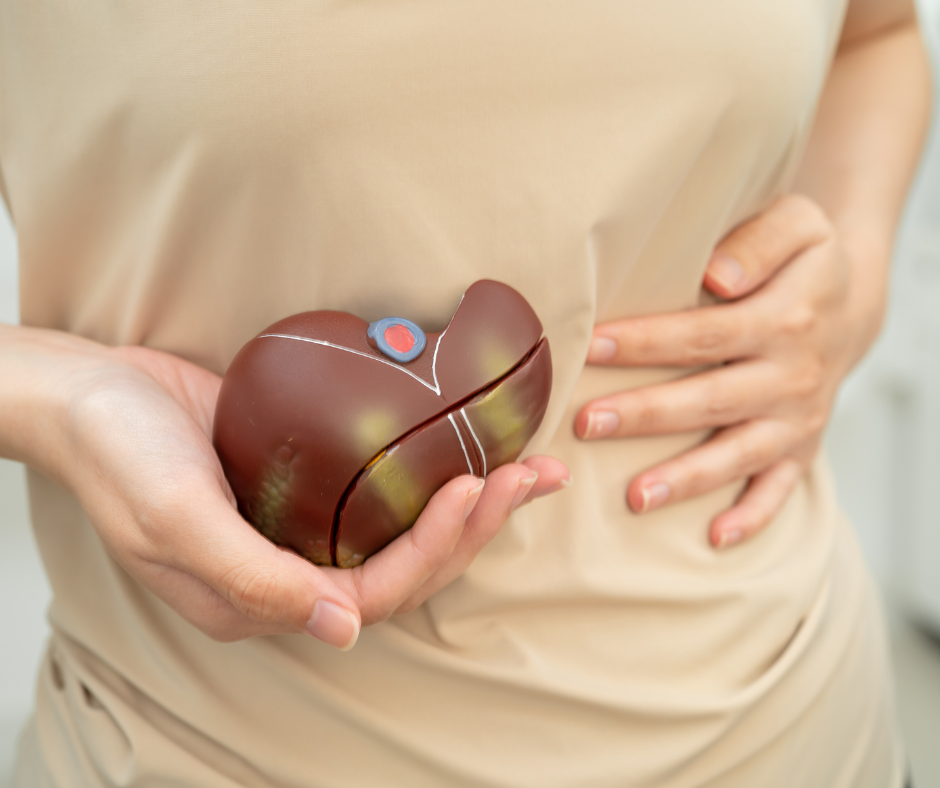
Liver cancer is closely tied to hepatitis infections, alcohol use, and obesity.
Skin cancer is often the result of prolonged, unprotected sun exposure.
These are not rare cancers. These are among the most diagnosed cancers globally. And prevention strategies already exist.
What is missing is urgency.
Prevention is not about fear, it is about power
Cancer prevention is often framed as restriction. Do not eat this. Do not do that. Do not enjoy life.
That framing is wrong.
Prevention is about control. It is about reducing risk so that your body has a better chance to protect itself. It is about making small, realistic changes that compound over time.
Walking thirty minutes a day.
Eating more whole foods and fewer ultra-processed ones.
Limiting alcohol instead of normalising it.
Getting vaccinated when vaccines exist.
Going for screening even when you feel fine.
These actions do not remove joy from life. They protect it.
The cost of waiting
One of the most dangerous sentences people say is, “I will start later.”
Later often comes after damage has already begun.
Cancer prevention works best before symptoms, because cancer does not announce itself politely. By the time pain appears, the disease may already be advanced.
Early screening and prevention save not just lives, but families, careers, mental health, and financial stability. Cancer does not only attack the body. It disrupts everything.
Waiting feels comfortable. Acting feels uncomfortable. But the price of inaction is always higher.
Why prevention must become a daily mindset
Cancer prevention is not a one-time campaign or an annual awareness month. It must be woven into everyday thinking.
What am I feeding my body today
How much am I moving this week
When was my last health screening
What habits am I normalising for my children
What risks am I ignoring because they feel familiar
These questions are not obsessive. They are responsible.
The earlier prevention begins, the stronger its impact. But it is never too late to reduce risk. Every positive change matters.
The role of communities and systems
Individual action is powerful, but prevention cannot rest on individuals alone. Communities, workplaces, schools, and governments play a critical role.
Access to healthy food
Safe spaces for physical activity
Clear cancer education
Affordable screening programs
Strong anti-tobacco and alcohol policies
When prevention becomes a shared responsibility, outcomes improve faster and more equitably.
Awareness without access is not enough. Access without urgency is not enough. Both must exist together.
This is your moment to act
Two out of five cancers are preventable. That means prevention is not hypothetical. It is measurable. It is achievable. It is urgent.
Do not wait for a scare to care.
Do not wait for pain to pay attention.
Do not wait for a diagnosis to believe prevention matters.
Start with one change. Then another. Then help someone else do the same.
Cancer prevention is not about avoiding death. It is about protecting life while you are living it.