Water is not just a drink. It is survival. It is energy. It is clarity. It is life itself. Yet millions of people walk around every single day silently dehydrated, thinking they are tired, stressed, moody, or simply “not feeling well.” The truth is often much simpler and far more dangerous — they are not drinking enough water.
Your body is made up of about 60 percent water. Every organ, every cell, every system depends on it. When you ignore hydration, your body does not stay silent. It sends signals. The problem is that most people ignore those signals until the damage becomes serious.
If you want better energy, sharper focus, glowing skin, stronger digestion, and improved overall health, you must pay attention now. Below are six critical signs you’re not drinking enough water — and why you must act immediately.
1. Constant Fatigue That Sleep Cannot Fix
Feeling tired even after a full night’s sleep? Dehydration could be the hidden cause.
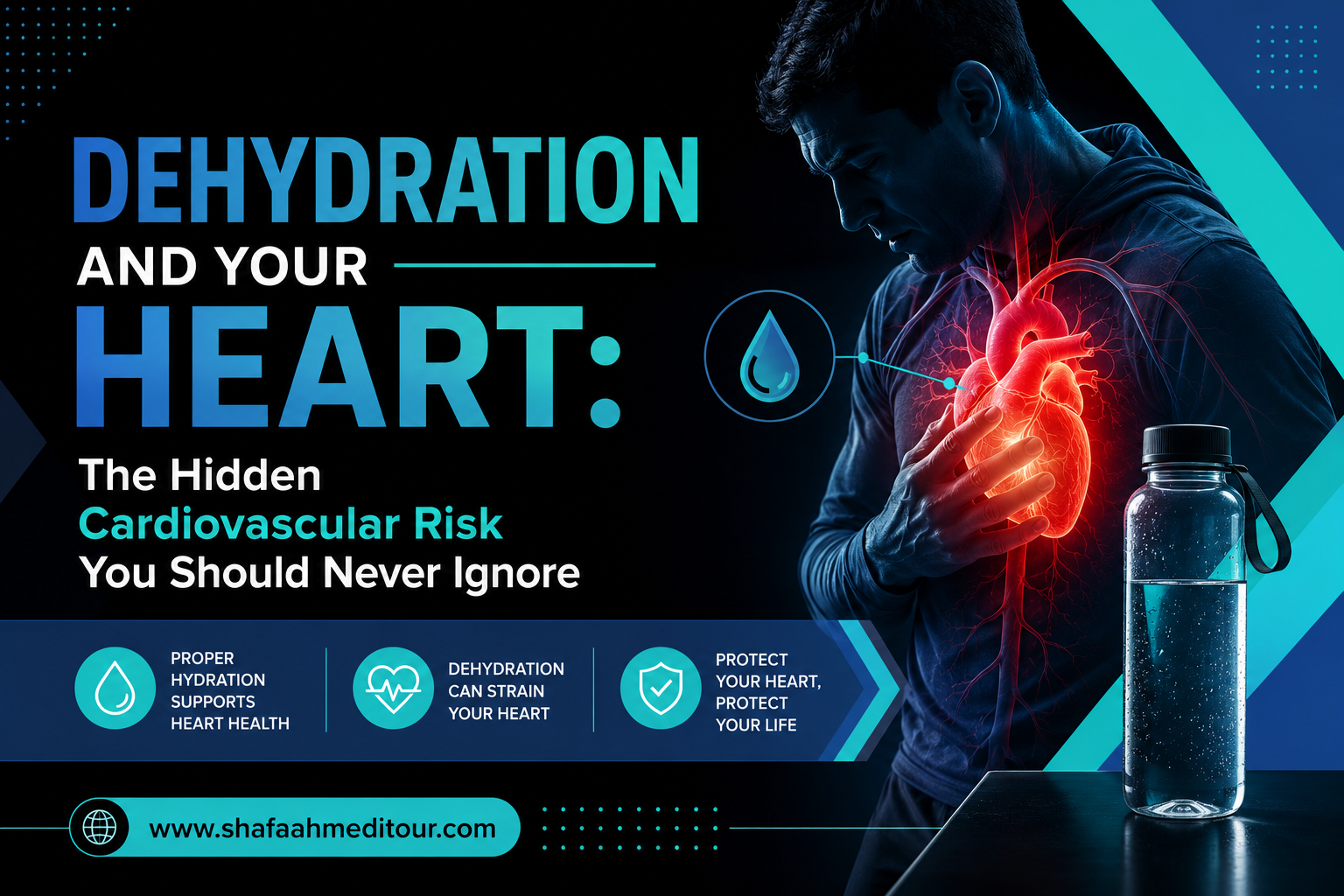
When you do not drink enough water, your blood volume drops. This forces your heart to work harder to pump oxygen and nutrients throughout your body. The result? You feel drained, sluggish, and mentally foggy.
Even mild dehydration can reduce energy levels and concentration. Before you blame your schedule or your workload, ask yourself: Have I had enough water today?
If you are reaching for coffee multiple times a day, your body may actually be asking for water — not caffeine.
2. Persistent Headaches
One of the most common and overlooked dehydration symptoms is headaches.
When the body lacks fluids, it can cause temporary shrinking of brain tissues due to fluid loss. This creates pressure and pain. Many people treat headaches with painkillers without realizing that the real solution might be as simple as drinking a glass of water.
If you frequently suffer from headaches or migraines, start tracking your water intake. Increasing hydration may significantly reduce the intensity and frequency of your pain.
3. Dry Skin and Premature Aging
Expensive skincare products cannot fix dehydration from within.
When you are not drinking enough water, your skin loses elasticity and moisture. It may appear dull, flaky, tight, or more wrinkled than usual. Chronic dehydration can even accelerate visible signs of aging.
True glow begins internally. Hydration improves circulation, supports collagen production, and helps flush out toxins.
Before investing in another cosmetic product, increase your daily water intake for a few weeks and watch the difference.
4. Dark Yellow Urine
Your urine color is one of the clearest hydration indicators.
Light straw-colored urine usually signals proper hydration. Dark yellow or amber urine often means your body is conserving water because you are not drinking enough.
If your urine consistently appears dark and strong-smelling, do not ignore it. It is your body’s way of asking for immediate hydration.
This is not something to delay. Chronic dehydration increases the risk of kidney stones and urinary tract issues over time.
5. Dry Mouth and Bad Breath
Saliva plays a critical role in controlling bacteria in your mouth. When you are dehydrated, saliva production decreases. This creates a breeding ground for odor-causing bacteria.
If you notice persistent bad breath even with proper oral hygiene, dehydration might be the real cause.
Drinking water stimulates saliva flow and naturally cleanses the mouth. It is one of the simplest and most effective ways to maintain oral health.
6. Digestive Problems and Constipation
Water is essential for proper digestion.
When your body lacks fluids, the colon absorbs more water from waste material to maintain balance. This leads to harder stools and constipation.
Chronic dehydration can slow down your digestive system, cause bloating, and create discomfort that affects your daily productivity and confidence.
If you struggle with irregular bowel movements, increasing your water intake could be the simplest and most natural solution.
Why Ignoring Dehydration Is Dangerous
Dehydration is not just about feeling thirsty. By the time you feel thirsty, your body is already behind on fluids.
Long-term insufficient water intake can increase the risk of:
Kidney stones
Urinary tract infections
Low blood pressure
Electroyte imbalance
Poor cognitive function
Muscle cramps
Heat exhaustion
Your body cannot function optimally without water. And the longer you ignore the warning signs, the harder it becomes to recover balance.
How Much Water Should You Really Drink?
While the common advice suggests eight glasses per day, hydration needs vary depending on age, climate, activity level, and overall health.
A general guideline:
-
Women: Around 2.7 liters per day from all beverages and food
-
Men: Around 3.7 liters per day from all beverages and food
If you live in a hot climate, exercise regularly, or consume caffeine frequently, you may need more.
But here is the most important rule: Do not wait for thirst. Drink consistently throughout the day.
Simple Action Steps You Must Start Today
-
Start your morning with one full glass of water before coffee or tea.
-
Carry a reusable water bottle everywhere you go.
-
Set hourly reminders if you often forget to drink.
-
Add natural flavor like lemon or cucumber if plain water feels boring.
-
Eat water-rich foods like watermelon, cucumber, and oranges.
Small changes create massive health improvements over time.
This Is Your Wake-Up Call
You cannot afford to ignore hydration anymore. Every headache, every moment of fatigue, every sign of dull skin could be your body crying out for water.
Do not normalize feeling tired. Do not normalize brain fog. Do not normalize discomfort.
Hydration is not optional. It is foundational.
Start today. Drink water consistently. Protect your organs. Support your energy. Improve your clarity. Strengthen your future.
Your body is speaking. The question is — will you finally listen?