
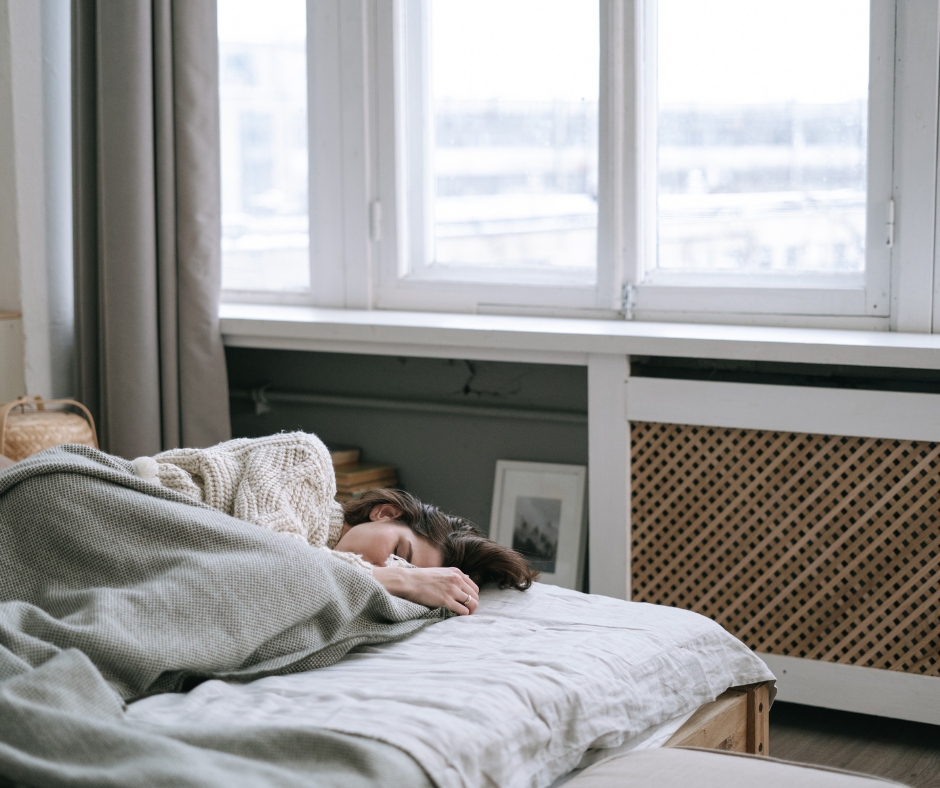
What if the way you sleep tonight silently increases the pressure inside your eyes?
What if something as simple as your pillow is affecting your glaucoma more than you realize?
Glaucoma is often called the silent thief of sight. It does not warn you loudly. It does not cause dramatic pain in most cases. It slowly damages the optic nerve, often without noticeable symptoms until vision loss has already occurred. And while most people focus on eye drops, medications, or surgery, they rarely think about what happens during sleep.
This is where the conversation becomes urgent.
Because for glaucoma patients, lying down the wrong way may significantly increase intraocular pressure, and intraocular pressure is the key risk factor in glaucoma progression.
Understanding Glaucoma and Intraocular Pressure
Glaucoma is a group of eye conditions that damage the optic nerve, typically due to elevated intraocular pressure. The optic nerve is responsible for transmitting visual information from the eye to the brain. Once damaged, the loss is irreversible.
Lowering intraocular pressure is currently the most effective strategy to slow the disease. That is why patients use prescribed eye drops, take medications, undergo laser treatments, or have surgery. But many are unaware that intraocular pressure is not constant throughout the day and night.
It fluctuates.
And in many people with glaucoma, the pressure increases when lying down.
Why Lying Down Matters for Glaucoma Patients
When you lie flat, your body position changes how blood and fluid circulate. This can increase venous pressure in the head and eyes. As a result, intraocular pressure can rise compared to when you are sitting or standing.
For someone without glaucoma, this temporary rise may not cause harm. But for someone with optic nerve vulnerability, even small repeated increases in pressure can contribute to long-term damage.
Studies have shown that:
-
Intraocular pressure often increases in the supine position.
-
Side sleeping may cause higher pressure in the eye on the lower side.
-
Head-down positioning may further elevate pressure.
Now imagine sleeping 6 to 8 hours every night in a position that increases eye pressure.
That is not a small exposure. That is one third of your life.
No Pillows for Glaucoma Patients? The Real Question
The phrase “no pillows for glaucoma patients when lying down” is often misunderstood. The goal is not to remove comfort. The goal is to avoid positions that increase eye pressure.
Using a thick pillow that keeps the head flat or lower than the body may not be ideal. Completely lying flat can increase intraocular pressure compared to elevating the head.
Instead of asking whether you should use no pillows, ask this better question:
Is your head elevated enough while sleeping?
Research suggests that modest head elevation, around 20 to 30 degrees, may reduce intraocular pressure compared to lying completely flat.
This does not mean stacking random pillows under your head. That can bend your neck awkwardly and cause discomfort. It means adjusting your sleeping posture in a controlled, stable way.
The Dangers of Side Sleeping in Glaucoma
If you sleep on your side, especially on the same side every night, the lower eye may experience higher pressure. Over time, this repeated pressure difference may contribute to asymmetric glaucoma progression.
Patients sometimes notice that one eye worsens faster than the other. Sleeping habits may be one of the contributing factors.
Ask yourself:
-
Do you always sleep on the same side?
-
Does one eye have more advanced glaucoma?
-
Have you discussed your sleep position with your ophthalmologist?
These questions matter more than most people think.
Practical Sleep Recommendations for Glaucoma Patients
This is where action becomes powerful.
1. Elevate your head slightly
Use a wedge pillow or an adjustable bed that elevates your upper body gently. Aim for a slight incline, not a sharp bend in the neck.
2. Avoid lying completely flat
Flat supine positioning may increase intraocular pressure.
3. Be mindful of side sleeping
Try to alternate sides or discuss with your doctor if one eye is significantly worse.
4. Avoid sleeping face down
Face-down positions can significantly increase pressure in and around the eyes.
5. Talk to your eye specialist
Your ophthalmologist may recommend 24-hour intraocular pressure monitoring in certain cases to understand how your pressure behaves at night.
Why This Conversation Is Urgent
Glaucoma damage is permanent.
You cannot reverse optic nerve loss. You cannot regrow the fibers once they are destroyed. Every decision that protects the optic nerve is an investment in lifelong vision.
We talk about medications.
We talk about surgery.
But how often do we talk about sleep posture?
If you are managing glaucoma, your nighttime routine is not just about rest. It is about protection.
Six to eight hours every night either supports your treatment plan or silently works against it.
The Emotional Reality of Vision Loss
Vision is independence.
It is recognizing faces.
It is reading messages from loved ones.
It is walking confidently outdoors.
It is living without fear of darkness closing in.
Glaucoma patients already carry the emotional weight of a chronic disease. The idea that something as simple as sleep position could influence progression can feel overwhelming. But knowledge is power.
You are not helpless.
Small adjustments can have meaningful impact over years.
Frequently Asked Questions About Glaucoma and Sleeping Position
Does sleeping without a pillow help glaucoma?
Sleeping without a pillow may keep the head flat, which can increase intraocular pressure. A slight head elevation is generally considered more beneficial.
Is an adjustable bed better for glaucoma patients?
An adjustable bed that allows gentle upper body elevation may help reduce nighttime pressure compared to lying completely flat.
Can sleep position worsen one eye more than the other?
Yes, side sleeping may increase pressure in the lower eye, potentially affecting progression patterns.
Should I change my sleep habits immediately?
If you have glaucoma, discuss your sleep position with your ophthalmologist. Making safe, informed adjustments can be part of a comprehensive treatment strategy.
Take Action Tonight
Do not wait for the next visual field test to show progression.
Do not assume medication alone is enough.
Evaluate your sleeping posture tonight.
Ask yourself whether your pillow setup supports optic nerve protection.
Talk to your doctor at your next appointment. Bring this topic up directly. Many patients never do.
Your vision is too valuable to leave unprotected during one third of your life.
Because glaucoma does not sleep.
And neither should your awareness.