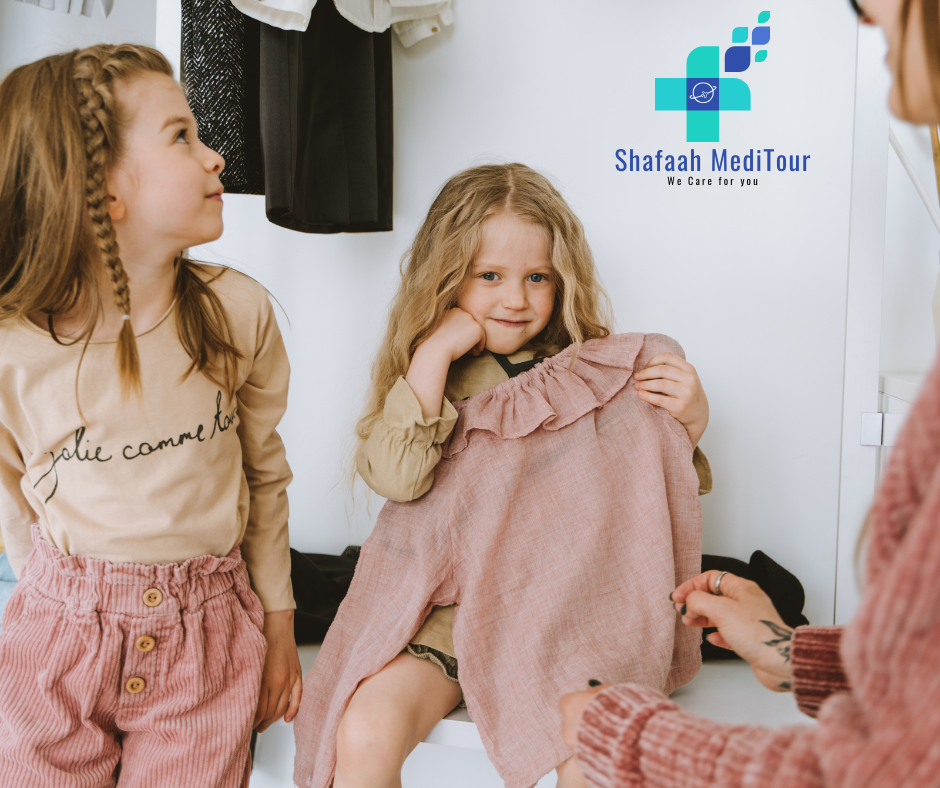
The Hidden Poison Sitting In Your Child’s Wardrobe Could Be More Dangerous Than Anyone Imagined
Parents spend thousands every year trying to protect their children. They choose healthier foods, safer schools, cleaner environments, and better lifestyles. But one silent danger may already be touching your child’s skin every single day.
Scientists and consumer safety researchers have discovered alarming levels of lead in certain children’s clothing products, triggering growing concerns among health experts worldwide. What makes this discovery terrifying is that lead exposure in children is not just dangerous. It can permanently affect brain development, learning ability, behavior, and long-term health.
The real fear is this.
Most parents never suspect the clothes they buy.
Bright colors. Trendy prints. Cheap fashion deals. Imported garments. Decorative accessories on shirts, shoes, jackets, and schoolwear. These everyday products can sometimes contain toxic substances hidden beneath attractive designs.
And children are the most vulnerable victims.
Why This Discovery Is Sending Shockwaves Across The World
Lead is a toxic heavy metal. There is no safe level of lead exposure for children according to many health experts and global health organizations. Even small amounts can damage developing brains and nervous systems.
Researchers found that certain clothing items marketed for kids contained dangerous traces of lead in dyes, painted graphics, buttons, zippers, metallic decorations, and synthetic materials. Some products reportedly exceeded recommended safety thresholds.
This is not just another fashion controversy.
This is a public health warning.
Children touch their clothes constantly. Babies place fabric in their mouths. Sweat and skin contact may increase exposure risks over time. Repeated daily contact creates a frightening long-term concern that many families never see coming.
The Dark Side Of Fast Fashion Parents Need To Understand
The global fast fashion industry moves at extreme speed. Many manufacturers compete to produce cheaper clothing at higher volumes. In some cases, safety testing becomes inconsistent, especially among unregulated suppliers or counterfeit markets.
Low-cost production sometimes means harmful shortcuts.
Cheap chemical dyes.
Unverified textile treatments.
Unsafe decorative materials.
Poor quality control.
Many parents assume if a product is available online or in stores, it must already be safe. Unfortunately, that assumption is not always true.
This crisis is exposing a larger problem inside the global clothing industry.
When profits move faster than protection, children pay the price.
How Lead Exposure Can Affect Children
Lead exposure can silently harm children before symptoms become obvious. This is why experts treat lead contamination so seriously.
Possible effects associated with lead exposure may include:
Reduced IQ and learning difficulties
Speech and developmental delays
Behavioral problems
Attention disorders
Memory and concentration issues
Fatigue and weakness
Hearing problems
Damage to the nervous system
Growth complications
Health experts warn that younger children are at the greatest risk because their brains and bodies are still developing rapidly.
The Most Concerning Part Parents Are Missing
Many families focus heavily on food safety but overlook textile safety.
Yet children wear clothing for hours every day.
School uniforms
Pajamas
Winter jackets
Shoes
Accessories
Printed cartoon outfits
Cheap imported fashion items
Some toxic materials may remain unnoticed for years until independent testing reveals the truth.
This is why consumer awareness matters more than ever before.
How Parents Can Reduce Risk Immediately
Parents do not need to panic, but they should become more cautious and informed buyers.
Important steps families can take include:
Buy clothing from trusted and transparent brands
Avoid extremely cheap products with unknown origins
Wash new clothes before first use
Be cautious with heavily painted graphics or metallic decorations
Avoid peeling prints or chemically strong odors
Stay updated on product recalls and safety alerts
Research manufacturers before purchasing
Choose certified textile products whenever possible
Awareness can dramatically reduce risk.
Why Governments And Regulators Are Under Pressure
This discovery is increasing pressure on regulators and consumer protection agencies worldwide.
Families are demanding:
Stronger testing laws
Better import screening
Transparent labeling
Independent safety verification
Stricter penalties for unsafe manufacturing
Many experts believe textile safety regulations must evolve quickly to keep pace with the rapidly expanding global fashion market.
Because children should never become testing grounds for unsafe products.
The Bigger Question Every Parent Must Ask
How many unsafe products are still circulating unnoticed?
That question is now driving fear across many communities.
Parents trusted these products.
Children wore them daily.
And now scientists are warning that some of these items may carry toxic substances capable of causing lifelong consequences.
This is not just a fashion issue anymore.
It is a warning about the hidden dangers of modern consumer culture where appearance often matters more than safety.
The Future Of Safe Children’s Fashion Starts With Awareness
The clothing industry now faces a defining moment.
Families are becoming smarter buyers.
Parents are asking harder questions.
Consumers want proof, not promises.
Brands that prioritize safety, transparency, and ethical manufacturing will earn long-term trust. Those that ignore these concerns may face growing backlash from parents who refuse to gamble with their children’s health.
Because protecting children should never be optional.
And no parent should have to worry whether their child’s favorite outfit contains toxic chemicals.
Conclusion
The discovery of dangerous lead levels in children’s clothing is a wake-up call for families, manufacturers, regulators, and retailers around the world. What appears harmless on store shelves may sometimes hide serious health risks beneath colorful fabrics and attractive designs.
Parents now face an urgent responsibility to become informed consumers. The choices made today could affect a child’s future health, development, and well-being for years to come.
Children deserve safety.
Not hidden toxins.
Not careless manufacturing.
Not preventable risks.
The world is watching how the fashion industry responds next.
And parents are no longer staying silent.